
 Freight Allocation
 Real-time Visibility
 Time Slot Management
 Performance & Market Reports
 Agriculture
 Steel & Construction
 FMCG
FMCG Automotive
 Paper & Packaging
 Retail
 Wood & Furniture
 Case Studies
 Blog
Blog Reports


Sustainability
Learn how to build more sustainable logistics operations. Find insights on reducing emissions, improving efficiency, and making more environmentally responsible transport decisions.
All categoriesAIAutomationBest PracticesDigitalisationDock ManagementEventsIndustry NewsLogistics TrendsPlatform UpdatesSupply Chain VisibilitySustainabilityTransport Management
How to cut empty runs and boost resource utilization?
With every fifth truck in the European Union driving with no cargo, empty runs are the stone pulling the transport sector financials into the abyss of losses. Technological tools can be a key factor in reducing cargo-less trips and thus help firms reduce their operational costs.

Standardization in logistics. A strategic roadmap for manufacturing companies
Global supply chains are becoming increasingly complex, and growing regulatory requirements (ESG, emissions reporting, Data Act compliance) and cost pressures mean that lack of standardization is becoming a key barrier to scaling transport.
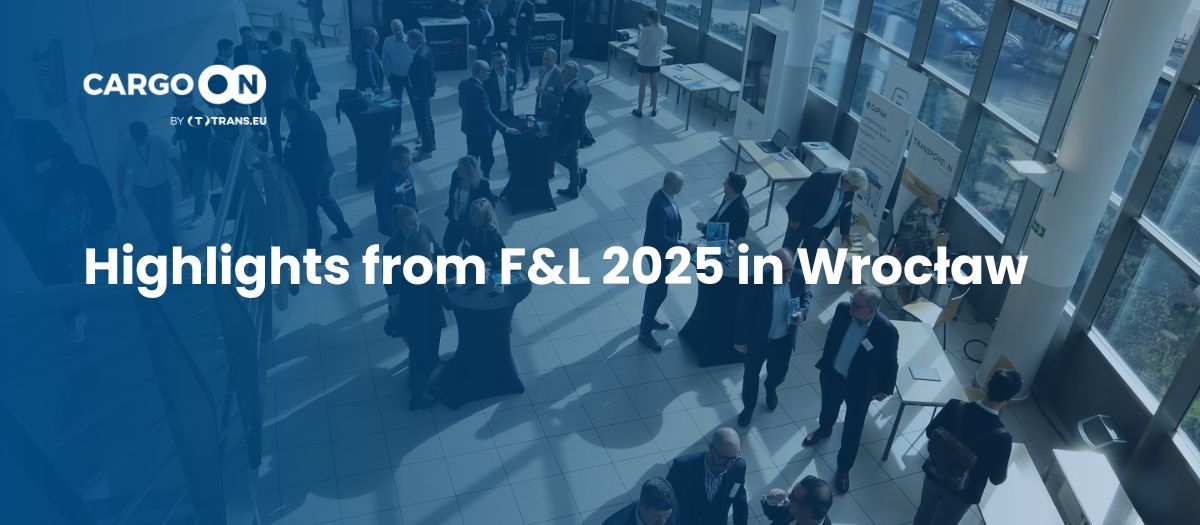
Driving the future of European logistics: Highlights from F&L 2025 in Wrocław
Europe’s logistics leaders gathered in Wrocław for the The European Freight and Logistics Leaders' Forum (F&L), where change, innovation, and collaboration took center stage. As a proud partner, Trans.eu Group, along with CargoON, played an active role in shaping the conversation around digital transformation, resilience, and the evolving role of the CEE region in European logistics.
CargoON and GMP+ International join forces to elevate feed transport standards
We are excited to announce a strategic collaboration between GMP+ International, the global leader in feed safety and sustainability certification, and Trans.eu, the operator of an advanced transport management platform.
Cybersecurity in the Supply Chain: Risks, Challenges, and Solutions
The Global Cybersecurity Outlook 2025 report from the World Economic Forum highlights the increasing complexity of cyberspace and its impact on supply chain management. We analyze these challenges and the compliance with regulations such as the NIS2 directive, the use of the ISO 27001 standard, and the importance of working in digital environments that ensure the security of highly sensitive data handled by supply chains.
At CargoON, we contribute with our new Visibility Monitoring functionality, which enables real-time shipment tracking, facilitating early anomaly detection and minimizing risks in logistics operations and transportation.
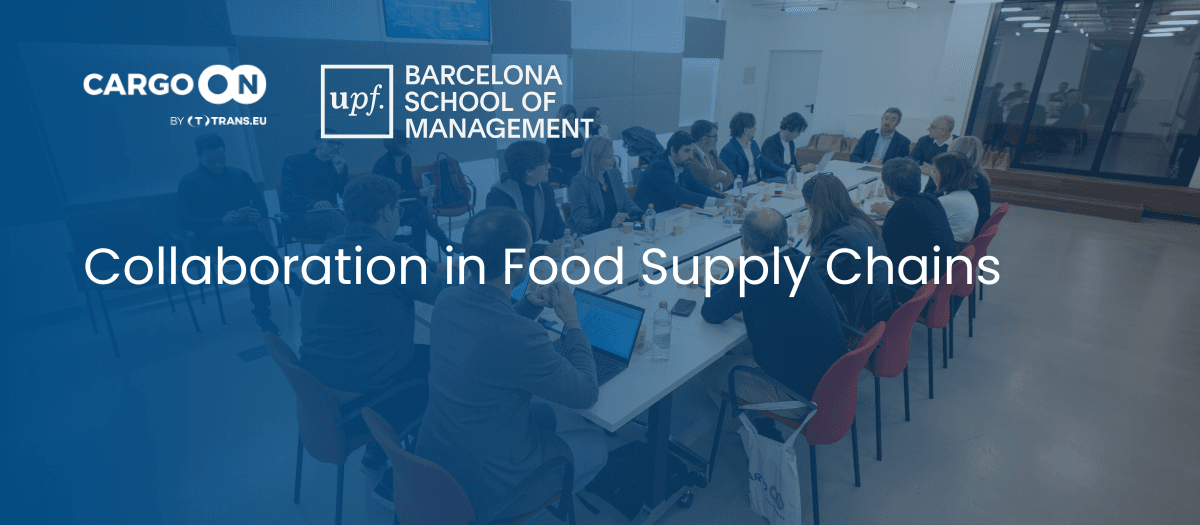
Collaboration in Food Supply Chains
Is collaboration both the key solution and the biggest challenge in building a more sustainable supply chain? At CargoON, we are conducting a study in partnership with UPF Barcelona School of Management, exploring how collaboration can drive greater efficiency and competitiveness in supply chains while overcoming structural barriers.
Digitalisation in agro logistics: Key takeaways from the European Commodities Exchange in Paris
The European Commodities Exchange (ECE) in Paris brought together industry leaders, traders, and logistics professionals to discuss the challenges and opportunities shaping the agro sector. CargoON was proud to be part of this major event, showcasing how digital solutions are transforming agro logistics and supporting shippers and traders in overcoming today’s complexities.
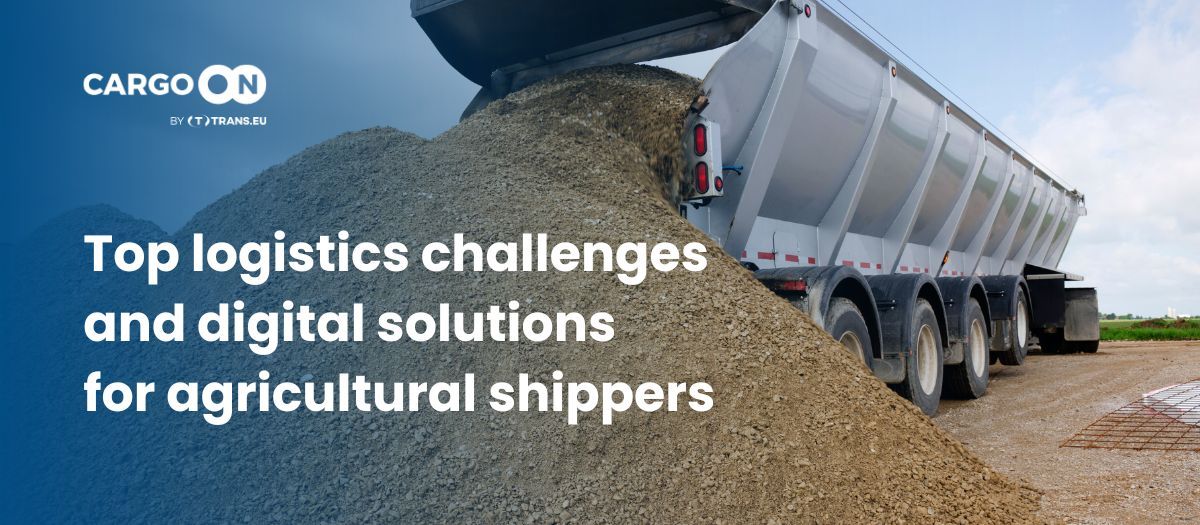
Agriculture industry: 7 key logistics challenges and digital solutions for agri shippers
Agricultural logistics pose distinct and complex challenges. The need to handle fresh produce, bulky commodities, and seasonal fluctuations while maintaining efficiency requires careful management. Shippers in this sector must navigate unpredictable market demands, optimize the handling of perishable goods, and meet sustainability targets - all while controlling costs and ensuring timely delivery.
Building trust in a fragmented market – how visibility is transforming European logistics
In a recent interview with FAQ Logistique's Frédéric Legras, CargoON’s CEO, Antoine Bertrandy, shared his forward-looking perspective on transforming European logistics through digital visibility and proactive collaboration.
5 essential strategies to elevate communication with your transportation providers
In an ever-changing logistics environment shippers face a constant challenge: managing transport capacity and maintaining smooth and efficient communication with their carriers.
Digitalization of logistics in Italy: Trans.eu Group joins ALIS
We are proud to announce that Trans.eu Group has joined the board of directors at ALIS, Italian association for Sustainable Intermodality Logistics, marking a significant step in our mission to support the digital transformation of the logistics sector.
The future of freight: key takeaways from the latest IRU report
The European road transport sector is a vital cog in the continent’s economic machinery, employing millions and contributing significantly to the region’s GDP. The latest IRU report provides a detailed analysis of this sector, offering valuable insights for shippers aiming to optimize their logistics strategies amidst evolving market conditions. Here are the key takeaways.
5 Guidelines for Retail Supply Chain Resilience
Retail Week's recently-published "Supply Chain 2025" report has put forward key guidelines for retailers to follow in order to ensure resilient supply chain operations.