
 Freight Allocation
 Real-time Visibility
 Time Slot Management
 Performance & Market Reports
 Agriculture
 Steel & Construction
 FMCG
FMCG Automotive
 Paper & Packaging
 Retail
 Wood & Furniture
 Case Studies
 Blog
Blog Reports


Best Practices
Practical tips and proven strategies to improve logistics performance. Learn from real-world examples and expert insights to optimize your daily operations.
All categoriesAIAutomationBest PracticesDigitalisationDock ManagementEventsIndustry NewsLogistics TrendsPlatform UpdatesSupply Chain VisibilitySustainabilityTransport Management
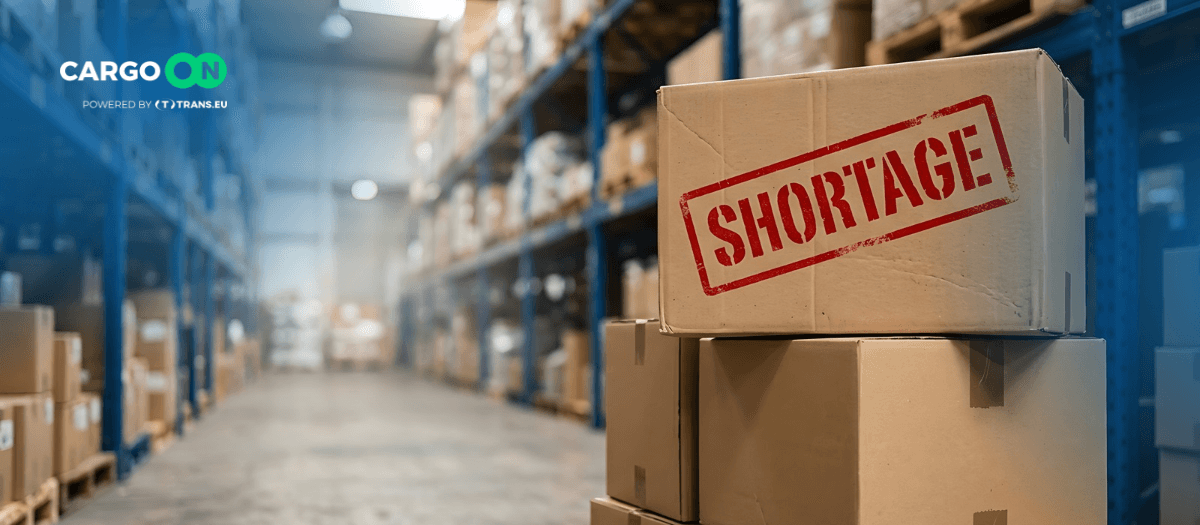
When a flash promotion breaks your supply chain
Flash promotions are creating shorter, sharper and less predictable demand peaks, just as Europe's road freight market runs short of trucks and drivers. We asked logistics leaders from retail and top-tier logistics operators how they keep shelves stocked when demand spikes overnight.


Logistics automation for shippers: how to stop chasing trucks
If your logistics team is still tracking carrier compliance in a spreadsheet and managing exceptions over the phone, you already know the toll it takes. Manual logistics operations don't fail all at once. They fail incrementally—in the three hours consumed by endless phone calls per shipment, or the truck that arrives at a dock that simply isn't ready for it.

How to cut empty runs and boost resource utilization?
With every fifth truck in the European Union driving with no cargo, empty runs are the stone pulling the transport sector financials into the abyss of losses. Technological tools can be a key factor in reducing cargo-less trips and thus help firms reduce their operational costs.
How Logistics Directors Can Cut Transportation Costs Without Losing Quality
In the environment of global logistics operations, where thousands of shipments move between markets every day, achieving real transportation cost reduction requires more than just renegotiating rates. Manufacturers must look for scalable solutions that are resilient to supply chain volatility and capable of integrating with the global IT ecosystem.
Standardization in logistics. A strategic roadmap for manufacturing companies
Global supply chains are becoming increasingly complex, and growing regulatory requirements (ESG, emissions reporting, Data Act compliance) and cost pressures mean that lack of standardization is becoming a key barrier to scaling transport.

Real-Time tracking and ETA alerts: the key to Just-in-Time delivery performance
Just-in-Time is a delivery strategy allowing for significant cost cutting and increased efficiency. Not an easy task to handle, it is becoming more and more feasible to achieve due to the expansion of real-time tracking solutions and more precise arrival time estimates.
How to standardize and scale transport in the global supply chain
In 2024, EU road freight transport recorded an increase of 0.6%, reaching 1,869 billion tonne-kilometers. This is a clear signal of the end of the downward trends of previous years and the related recovery of transport volumes. At the same time, the market is observing the intensification of logistics processes, which in Europe, however, takes place in conditions of significant systemic complexity.
Hidden costs in road transport: an analytical guide for logistics managers
For many European companies, road transport costs account for 6% to 10% of total revenue. Yet a significant portion of this spend remains under the radar. These are the hidden costs: they don’t appear in quotes or invoices, but they erode margins, affect punctuality, and reduce operational efficiency. Understanding where they arise is now a strategic priority.
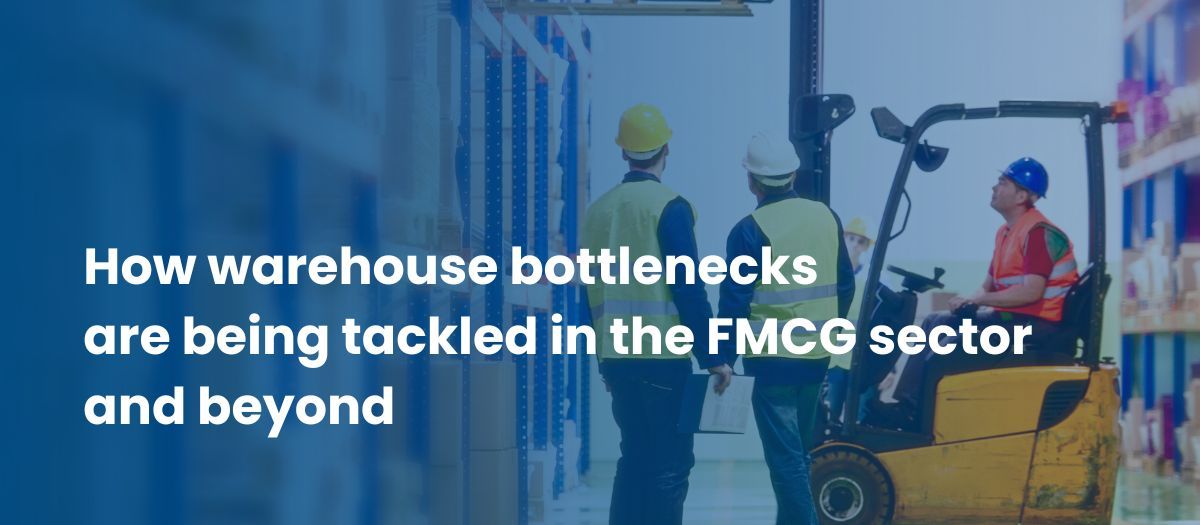
How warehouse bottlenecks are being tackled in the FMCG sector and beyond
The Fast Moving Consumer Goods industry (FMCG) sector is one that by definition requires swift transportation from the point of manufacture to consumers. Supply chain disruptions in recent years have nonetheless revealed pain points where these goods are not as fast moving as they should be. For instance, delays at warehouses or regional distribution centres (RDCs) are still more commonplace than they should be.
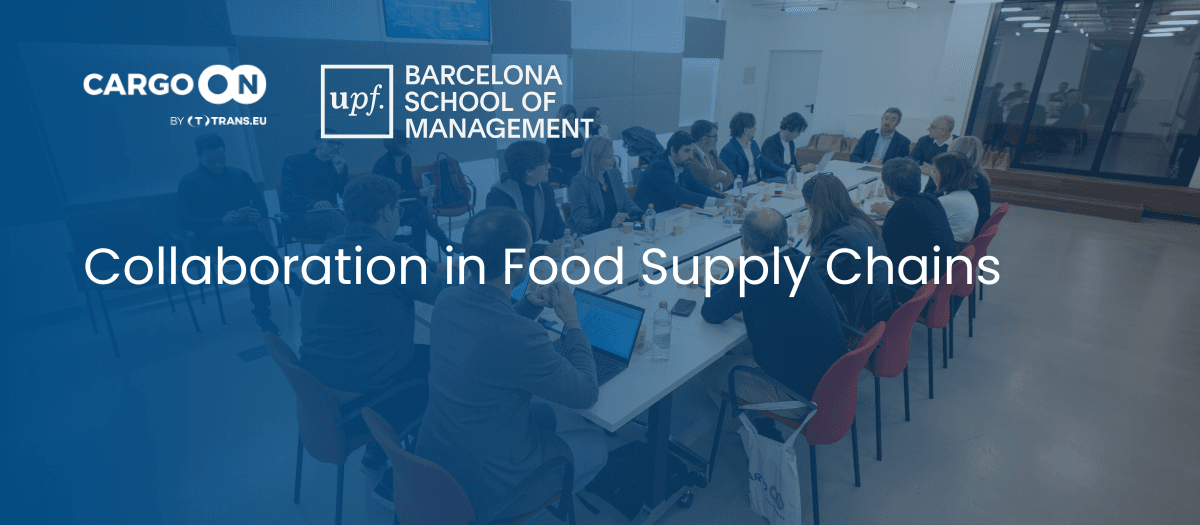
Collaboration in Food Supply Chains
Is collaboration both the key solution and the biggest challenge in building a more sustainable supply chain? At CargoON, we are conducting a study in partnership with UPF Barcelona School of Management, exploring how collaboration can drive greater efficiency and competitiveness in supply chains while overcoming structural barriers.

2025: 10 logistics KPIs to monitor to increase efficiency
In the dynamic and competitive landscape of the European market in 2025, logistics managers face mounting pressure to adopt strategies that enhance efficiency and drive cost savings.

Digitalizing the supply chain: how to convince your company to innovate
Every technological transformation begins with a challenge: persuading internal decision-makers to embrace change. Despite obvious inefficiencies, companies often resist adopting new solutions, even when they promise clear benefits. Luckily, many of these barriers can be overcome with a strategic approach and a touch of persuasion.
From excel to excellence: how to optimize logistics and supply chain
Excel might seem like a great ally, but is it really the right tool to help your business grow? Let's dive through the factors that could slow your logistics and alternatives for rethinking the supply chain management of the future.