
 Freight Allocation
 Real-time Visibility
 Time Slot Management
 Performance & Market Reports
 Agriculture
 Steel & Construction
 FMCG
FMCG Automotive
 Paper & Packaging
 Retail
 Wood & Furniture
 Case Studies
 Blog
Blog Reports


Logistics Trends
Stay up to date with the latest trends shaping the logistics industry. From technology innovations to market shifts, explore what’s changing and what it means for your business.
All categoriesAIAutomationBest PracticesDigitalisationDock ManagementEventsIndustry NewsLogistics TrendsPlatform UpdatesSupply Chain VisibilitySustainabilityTransport Management
Logistics 2026–2027: Automation becomes the core of competitive advantage
By 2026 and 2027, automation in logistics is no longer an innovation project—it should be the backbone of operational strategy.
Driven by e-commerce growth, persistent labor shortages, cost pressure, regulatory demands, and rising customer expectations,
companies are accelerating investment in intelligent, scalable technologies. The shift is clear: logistics is evolving from
mechanized processes to self-learning, AI-driven ecosystems.

Data First, Trucks Second: Rethinking Supply-Chain Resilience
As disruptions in global logistics become the new norm, traditional transport management models are no longer sufficient. Fragmented data, delayed information flows, and a lack of full operational visibility extend reaction times and drive up costs. Transport management platforms are emerging as a response to these challenges, integrating data from multiple sources and enabling supply-chain participants to operate faster, more coherently, and in a more predictable manner.
Beyond the western bubble. Why regional expertise is the missing link in EU logistics
While indeed European logistics and transportation operations and revenues are generated in the Western part of the continent, neglecting the Central and Eastern parts of the continent means giving up on big money and even bigger prospects.

Harmonizing transport operations after mergers and acquisitions
Europe remains the global leader in mergers within the food and consumer goods sector. From the beginning of 2023 to mid-2025, nearly 1,600 transactions have been completed here, accounting for more than 40 percent of the global market. An increasing number of acquisitions are operational in nature, aimed at consolidating structures and standardizing supply chains across the demanding EU market. In this process, transport plays a pivotal role, determining whether organizations, once integrated, can unlock synergies and achieve cost advantages.

From API to mobility data spaces
A strategic respnose to data fragmentation in supply chains API and EDI integrations are an important step in the digitization of logistics, but on a European scale they are no longer sufficient to ensure full information exchange in a distributed transport ecosystem. The next stage is the transition to data sharing models – so-called Data Spaces, which allow market participants to exchange information on standardized principles while maintaining control over their own data.
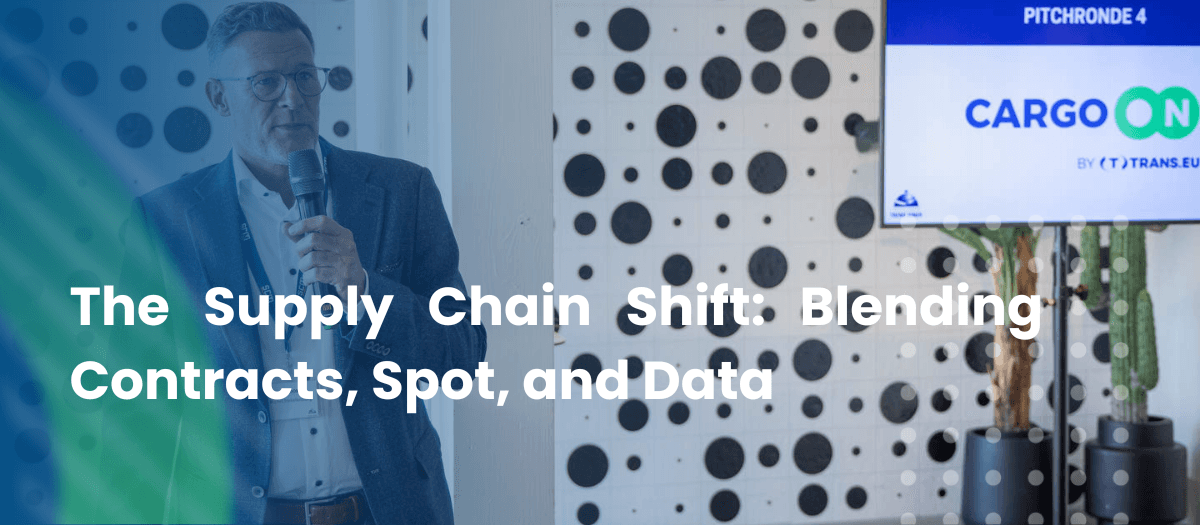
The Supply Chain Shift: Blending Contracts, Spot, and Data
The logistics industry is undergoing a fundamental transformation. Once dominated by long-term freight contracts, Europe’s road transport market is increasingly shaped by a volatile mix of driver shortages, rising costs, and shifting customer demands. At the Supply Chain Media Trend Dinner, Michel Stekelenburg, Senior Director Northern Europe, highlighted the new dynamics shaping supply chain management and how businesses can adapt to thrive.
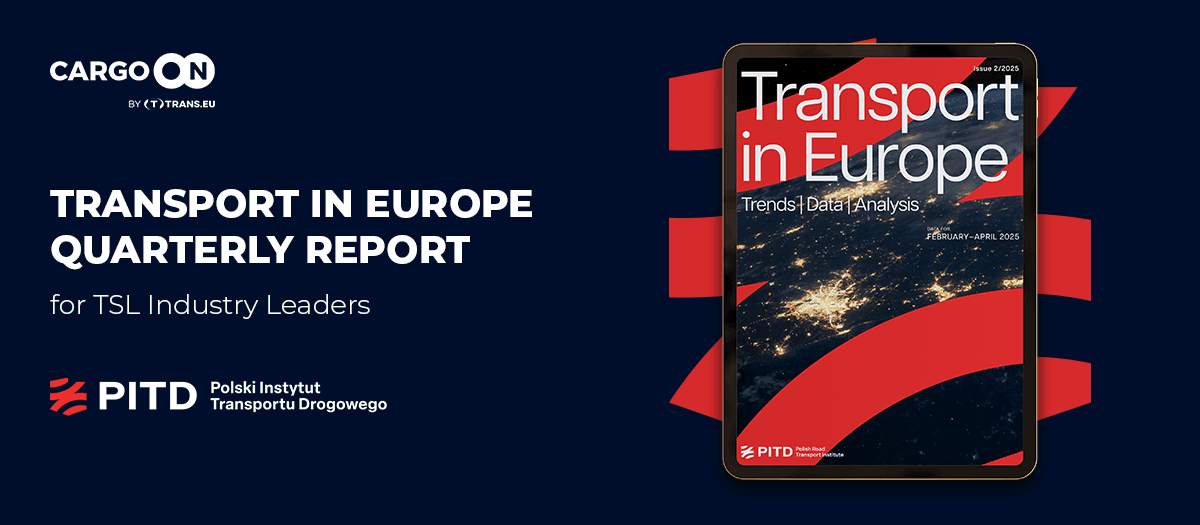
What’s next for road transport in Europe?
Demand for road transport is growing… but available transport capacity isn’t keeping up.
A new report by the Polish Road Transport Institute (PITD), developed in collaboration with Trans.eu and CargoON, analyzes the paradox of European road transport and provides concrete data to support strategic decision-making for the future of the sector.
Digitalization of logistics in the construction industry
Rising costs, time pressures, and growing customer expectations are forcing building materials manufacturers to rethink their approach to logistics. As a result, more and more companies — including Aluplast — are turning to digital transformation to modernize and streamline their logistics operations.
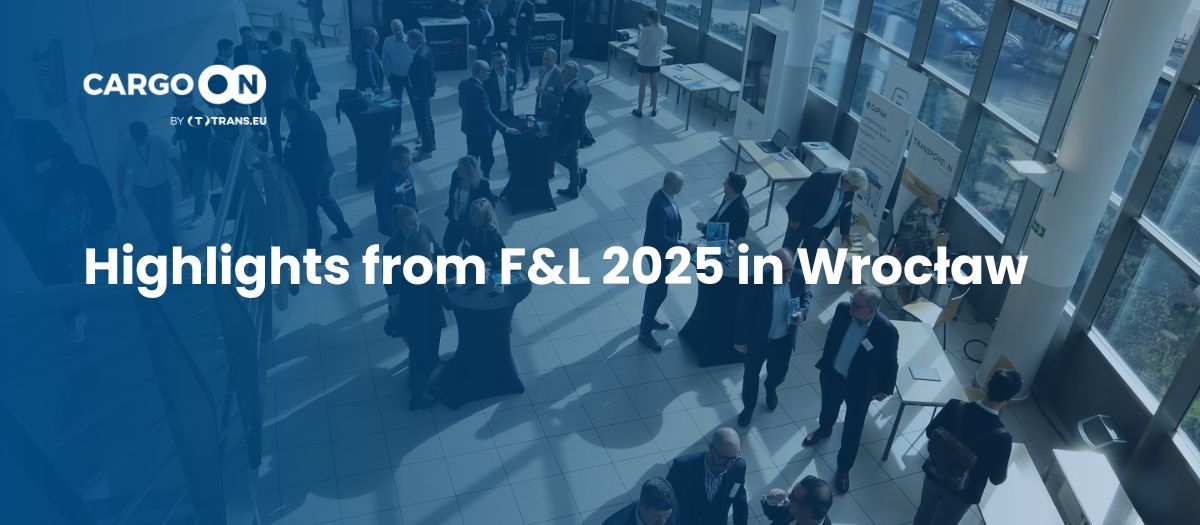
Driving the future of European logistics: Highlights from F&L 2025 in Wrocław
Europe’s logistics leaders gathered in Wrocław for the The European Freight and Logistics Leaders' Forum (F&L), where change, innovation, and collaboration took center stage. As a proud partner, Trans.eu Group, along with CargoON, played an active role in shaping the conversation around digital transformation, resilience, and the evolving role of the CEE region in European logistics.
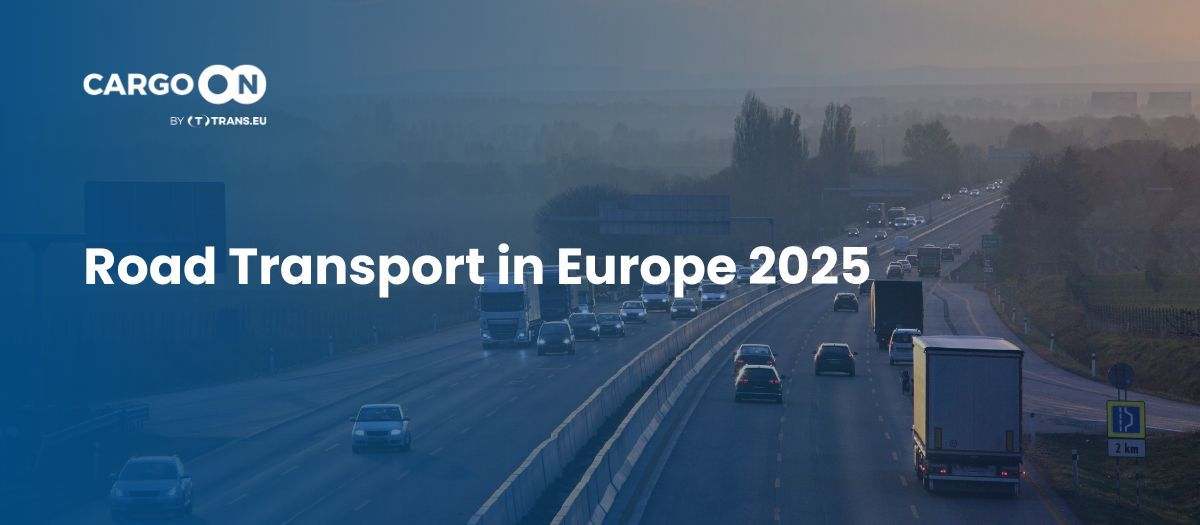
Road Transport in Europe 2025: More freight, fewer carriers. The Industry at a crossroads
The beginning of 2025 brings clear signs that the European road transport sector is entering a new phase of transformation. The report "Transport in Europe: Trends | Data | Analysis", prepared by the Polish Road Transport Institute, highlights not only the scale of ongoing challenges but also the growing imbalance between rising demand and a shrinking supply of transport capacity. There’s more freight. The problem? Not enough trucks to move it.
Market Insights ON 2025: Key trends reshaping European logistics and transport
The latest edition of Market Insights ON presents a comprehensive analysis of the factors shaping logistics and transport in 2025. This report delves into economic trends, freight market fluctuations, digitalization advances, and regulatory shifts that will impact supply chains across Europe. With contributions from industry experts, it highlights both challenges and opportunities, providing valuable insights for supply chain managers, logistics professionals, and policymakers navigating an increasingly complex landscape.
Cybersecurity in the Supply Chain: Risks, Challenges, and Solutions
The Global Cybersecurity Outlook 2025 report from the World Economic Forum highlights the increasing complexity of cyberspace and its impact on supply chain management. We analyze these challenges and the compliance with regulations such as the NIS2 directive, the use of the ISO 27001 standard, and the importance of working in digital environments that ensure the security of highly sensitive data handled by supply chains.
At CargoON, we contribute with our new Visibility Monitoring functionality, which enables real-time shipment tracking, facilitating early anomaly detection and minimizing risks in logistics operations and transportation.